
Article
Bone Broth: What It Is, What It Isn't, and How to Make It Well
Bone broth is everywhere in wellness culture. A clear-eyed, honest look at what bone broth actually is, the claims worth taking with a pinch of salt, and a no-frills long-simmer recipe.
8 min readby The RecipeCrave Kitchen Team
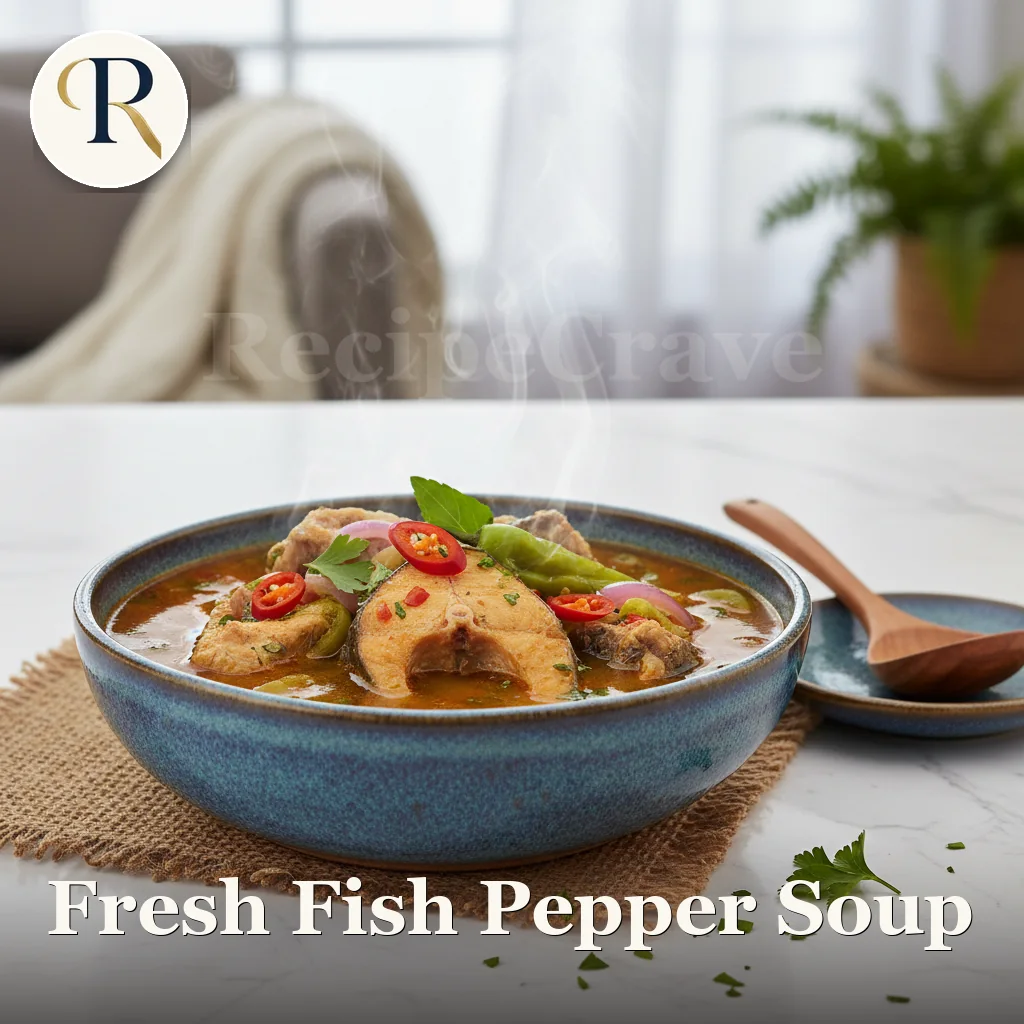
Bone broth has become wellness shorthand for all sorts of things — gut healing, joint repair, glowing skin. Some of that runs well ahead of what's actually settled. But strip away the marketing and you're left with something genuinely worth making: a deeply savory, comforting, endlessly useful cooking base. Here's an honest look, and a recipe worth your time.
What bone broth actually is
A long, slow simmer of bones and aromatics draws out gelatin (which gives good broth its silky body and the way it sets in the fridge), amino acids, and a modest amount of minerals. It's warm, savory, and satisfying — the foundation of soups and stews across nearly every cuisine. The "sick-day soup" instinct that so many families share is a real and reasonable one: warm, salty, easy-to-sip liquid is comforting when you're under the weather.
Claims worth a pinch of salt
You'll see bone broth credited with "healing leaky gut," rebuilding joints, and erasing wrinkles. Be gentle with these claims — they're bigger than the evidence supports. Collagen from any food, broth included, is broken down during digestion; your body then builds what it needs. So "drink collagen to rebuild collagen" is mechanistically shaky. None of this makes bone broth any less delicious or nourishing as a food — it just means you can enjoy it without believing it's a cure.
The honest framing: bone broth is a nutritious, comforting food and a superb cooking ingredient. That's a solid reason to make it.
How to make a broth worth drinking
The biggest mistake home cooks make is rushing. A quick stock has its place, but a rich, body-having bone broth wants a long, low simmer.
Ingredients (yields 8-10 cups): - 3-4 lbs mixed bones (knuckles, marrow bones, chicken feet, plus oxtail or chicken backs for flavor) - 2 tablespoons apple cider vinegar (helps draw minerals from the bones) - 1 large onion (skins on) - 3 carrots (roughly chopped) - 3 celery stalks - 1 head of garlic (cloves smashed, skins on) - 2 bay leaves - 1 tablespoon black peppercorns - 1 bunch parsley stems - Water to cover (~14 cups) - Optional: 1-inch ginger, 1 tablespoon kosher salt
Method: 1. Roast the bones at 425°F for 30 minutes to deepen the flavor and brown any meat scraps. 2. Transfer to a large stockpot. Cover with water and the vinegar. Let it sit 30 minutes. 3. Bring to a bare simmer. Skim any foam that rises in the first half hour. 4. Add the vegetables, garlic, bay, and peppercorns. 5. Simmer very gently for 18-24 hours at the lowest possible heat. Never let it reach a rolling boil — that clouds the broth. 6. Strain through a fine-mesh sieve and discard the solids. 7. Cool it quickly in shallow containers (get it into the fridge within a couple of hours). The fat rises and sets as a disk you can lift off and save for cooking.
Good food safety matters here: cool broth promptly, refrigerate within about four days of use, and freeze the rest.
How to use it
- A mug of it, hot, with sea salt, ginger, and a squeeze of lemon
- As the base for soups, stews, and risotto
- Whisked into pan sauces for extra depth
- In place of water when cooking rice, quinoa, or farro
It keeps about 4 days in the fridge and several months frozen in flat-pack containers. Find more ideas in our [recipe collection](/recipes) and [herbs guide](/herbs).
A couple of sensible cautions
- Broth is naturally salty — worth keeping in mind if you're watching sodium.
- If you're prone to certain conditions like gout, or you're sensitive to long-simmered foods, take it easy and see how you feel.
Mostly, though, bone broth earns its keep the old-fashioned way: it makes everything you cook with it taste better.
---
*This article is for general information only and is not medical advice. Everyone's body is different, and food affects health conditions in individual ways. Talk to your doctor or a registered dietitian before making changes tied to a health condition or before starting, stopping, or adjusting any medication.*
About the author. A small team of cooks, nutritionists, and writers focused on practical, evidence-aware home cooking. We aim to describe research honestly and never present food as a substitute for medical care.
Recipes mentioned
Therapeutic herbs referenced
Keep reading
A Beginner's Guide to Grilling Fish, Chicken, and Steak
Grilling looks intimidating from the outside, but almost all of it comes down to a few habits: build heat zones, oil a hot grate, flip once, and learn doneness by feel and temperature. Here is the beginner version, step by step.
Fermenting at Home for Beginners: Yogurt, Pickles, and More
Fermenting at home is easier than it looks. Here is how simple fermentation works, two beginner projects to start with, the small kit you need, and the safety signs that tell a good batch from a bad one.
Understanding Cooking Oils: Which One to Use and When
Every oil has a job. Some are built for high heat and a crisp crust, others are best kept raw and drizzled at the end. Here is how to match the oil to the pan, store it well and reuse it without the off flavors.