
Article
Turmeric and Ibuprofen: How People Think About Everyday Aches
How turmeric (and its compound curcumin) is often compared with ibuprofen for everyday aches — what the two have in common, what they don't, and how to cook with turmeric well.
9 min readby The RecipeCrave Kitchen Team
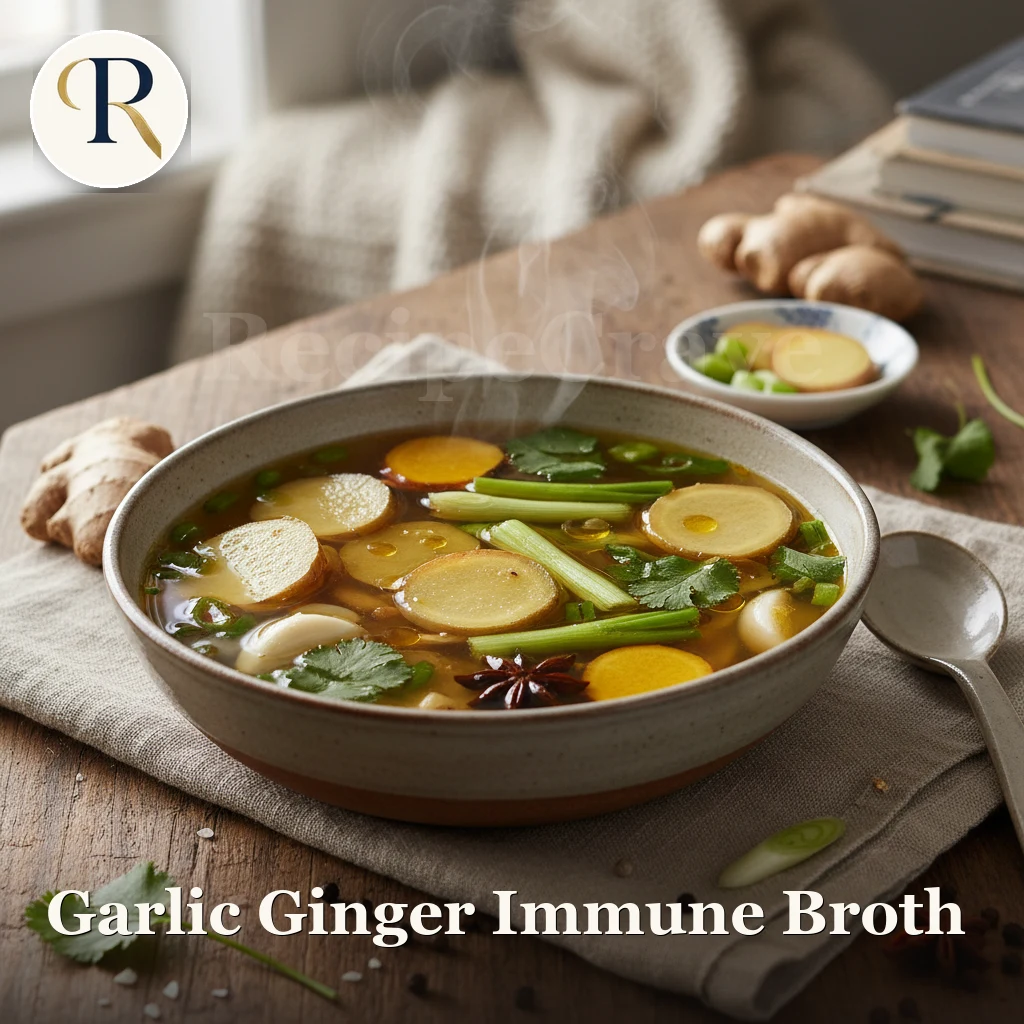
People reach for ibuprofen because it is the familiar over-the-counter standard, and they tend to skip turmeric because it lives quietly in the spice aisle. Both get talked about in the same breath when the subject is everyday aches. They are not the same kind of thing, though — one is a medication with a known dose and a fast, predictable effect, and the other is a food you can enjoy every day. This article is about understanding that difference and, mostly, about cooking turmeric well.
A quick word on what inflammation is
Inflammation is your immune system's response to injury or perceived threat. Short-term inflammation — a sprained ankle, a cut, a passing infection — is normal and usually settles on its own. Longer-running, low-grade inflammation is the kind people try to influence through everyday habits like sleep, movement, and what they cook.
Medications and foods are simply very different levers. A drug is dosed and studied for a specific effect. A spice is part of a wider pattern of eating. Keeping that distinction clear saves a lot of confusion.
How ibuprofen works, in plain terms
Ibuprofen is a non-steroidal anti-inflammatory drug (NSAID). It works quickly and is dosed on the label. Because it is a medication, it also carries real cautions — stomach irritation, and risks for some people with heart or kidney concerns, especially with long-term use. That is exactly why the bottle carries warnings and why a pharmacist or doctor is the right person to guide its use. We are not going to give dosing advice here.
Where turmeric fits
Turmeric is the golden spice at the heart of countless curries, rice dishes, and warm drinks. Its most-discussed compound is curcumin. Turmeric has a long history in traditional cooking and traditional medicine, and it is an area of ongoing scientific interest. Some research suggests culinary herbs and spices may play a supportive role as part of an overall balanced diet — but turmeric is a food and a flavor, not a replacement for anything your doctor has prescribed.
The honest summary: enjoy turmeric for what it reliably is — a delicious, versatile, inexpensive spice — rather than treating it as a drug swap.
Cooking turmeric so it actually tastes good
This is where turmeric genuinely shines, and where a little technique makes a big difference.
- Bloom it in fat. Turmeric's flavor and color are fat-soluble. Stir it into warm oil, ghee, or butter at the start of a dish for 20-30 seconds before adding liquids. Raw, un-bloomed turmeric can taste dusty and bitter.
- Pair it with black pepper. Nearly every traditional preparation combines turmeric with black pepper. It rounds out the flavor, and cooks have paired the two for centuries.
- Don't over-do it. Turmeric is easy to overuse — too much turns a dish muddy and slightly bitter. Start with half a teaspoon and build.
- Mind the stains. It will happily dye cutting boards, grout, and light clothing. Wipe surfaces quickly.
Simple ways to eat more turmeric
- Golden milk — warm milk (dairy or plant), turmeric, a little black pepper, cinnamon, and honey.
- A pinch stirred into scrambled eggs or a vegetable sauté.
- Toasted into the oil at the base of a lentil dal or a pot of rice.
- Whisked into a simple salad dressing with olive oil and lemon.
Browse our [recipe collection](/recipes) for turmeric-forward dishes, and our [herbs guide](/herbs) for more on the spice itself.
What to keep in perspective
You'll see turmeric described online in very dramatic terms. Be skeptical of anything promising it cures serious disease or replaces medication — those claims run well ahead of what's settled. Turmeric earns its place as an everyday spice that makes food taste and look wonderful, and that's plenty.
If you have a health condition or take medication, the most important step isn't a spice at all — it's a conversation with your doctor, who can look at your full picture.
---
*This article is for general information only and is not medical advice. Everyone's body is different, and food affects health conditions in individual ways. Talk to your doctor or a registered dietitian before making changes tied to a health condition or before starting, stopping, or adjusting any medication.*
About the author. A small team of cooks, nutritionists, and writers focused on practical, evidence-aware home cooking. We aim to describe research honestly and never present food as a substitute for medical care.
Recipes mentioned
Therapeutic herbs referenced
Keep reading
A Beginner's Guide to Grilling Fish, Chicken, and Steak
Grilling looks intimidating from the outside, but almost all of it comes down to a few habits: build heat zones, oil a hot grate, flip once, and learn doneness by feel and temperature. Here is the beginner version, step by step.
Fermenting at Home for Beginners: Yogurt, Pickles, and More
Fermenting at home is easier than it looks. Here is how simple fermentation works, two beginner projects to start with, the small kit you need, and the safety signs that tell a good batch from a bad one.
Understanding Cooking Oils: Which One to Use and When
Every oil has a job. Some are built for high heat and a crisp crust, others are best kept raw and drizzled at the end. Here is how to match the oil to the pan, store it well and reuse it without the off flavors.